Tree Root Removal Shortland
Tree root removal in Shortland cuts out the roots choking your sewer or stormwater pipe, then deals with the cracked joints that let them in. A cutting head on the jetter or the electric eel does the work, the camera films the line before and after, and any repair the pictures call for is priced before it starts.
Root work is part of the drain service from our plumber in Shortland team.
Licensed plumbers and gas fitters · NSW Lic. 359278C
Last updated October 2026
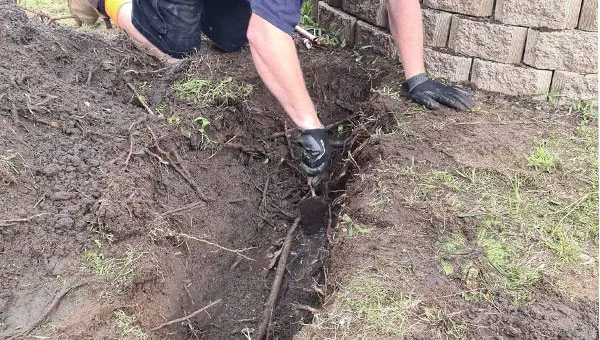
Why Do Roots Target the Drains Here?
A root grows toward water, and a weeping pipe joint feeds it steadily. The older the pipe, the more of those joints there are.
- Earthenware sewers under the 1950s and 60s commission houses crack at their collars as the reactive clay around them moves, and fine roots slip through the gaps.
- Low floodplain ground next to the wetlands stays damp, so roots grow freely in the soil around the pipe.
- What starts as a few hairs along the inside of the pipe thickens into a mesh that snags paper and fat until nothing gets past.
Cutting roots out opens the pipe, but the joint they used is still cracked. Sealing it is what pipe relining is for.
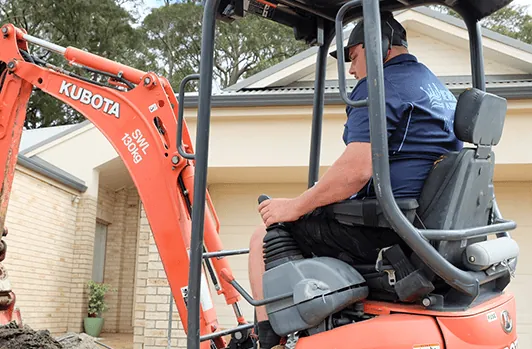
How We Get the Roots Out
The same four stages apply on every root job, with the tool chosen for the pipe.
- 01
Look first, where possible
A CCTV drain inspection maps where the growth starts and how far along it runs.
- 02
Cut and wash out
A rotating root cutter on the jetter hose shreds the mat, and the eel takes on woody masses too dense for water alone.
- 03
Film the result
A second camera run confirms the pipe is open and identifies the joints that need sealing.
- 04
Price the repair
A line that can be saved gets a relining price; a fallen-in length gets a dig-and-replace price instead.
Roots in a stormwater pipe rather than the sewer are covered on the stormwater drains page.
What Drives the Price of Root Removal?
We provide up-front, honest quotes that will always match the final price, should you decide to go ahead.
How thick the growth is drives the time on site. Fine hairs come out in a pass or two, while a woody mass that fills the pipe takes repeated cutting.
The other factors are:
- The distance from the access point to the roots
- Whether the eel has to cut a path before the jetter can work
- Crawl-space access under a low-set house, where that is the only way in
Any reline or section replacement found on camera is a separate price you can accept or decline.
Roots, Damp Ground and Postwar Pipes
Built in short clay lengths
Moist soil keeps roots active
Heavy rain shows the damage
In the Customer's Words
Woke up Friday to find my two kitchen sinks backed up. … Possibly tree roots from backyard neighbours.
When We're Not the Right Call
If the camera shows fat or silt and no roots, the fix is drain jetting rather than root cutting. A tree whose trunk or limbs need removing is a job for an arborist, and roots inside Hunter Water's shared main are theirs to deal with.
Questions People Ask About Roots
Do roots come back after the pipe is cleared?
They can. Cutting removes the growth inside, but the cracked collar it came through is still there. Filming the line after the cut shows which joints let roots in, and sealing those lengths with a liner shuts the door on regrowth.
Is root removal in Shortland done with chemicals?
No. A spinning root head driven by water, or the eel's blade, does the cutting, and water flushes the pieces away. Nothing toxic goes into the ground beside the estuary.
Why do the drains in Shortland attract roots more than other suburbs?
Two reasons sit underneath the lawns. There is a high water table, so the soil around the pipes is moist for long stretches, and many postwar houses still drain through clay pipe with mortar joints that have cracked over the decades.
Can you remove roots without digging up my yard?
Yes. The cutting tools go in through an existing inspection point, and a liner can repair a damaged length from inside. A dig only comes up if the footage shows a section that has collapsed.
Need a plumber? Call or send the form
Call (02) 4063 1093 or send the form below. Available 24/7, you see a fixed figure ahead of any work, and every job carries our 365-day warranty on all work.
Request a callback
Leave a name and number and a plumber will ring you back.